Course 1: Causal Machine Learning
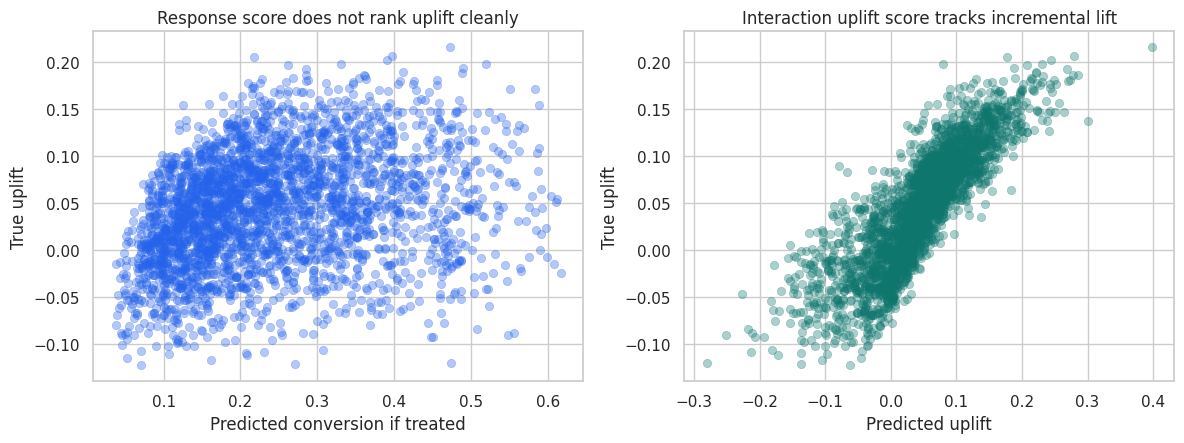
This course focuses on heterogeneous treatment effects, CATE and uplift modeling, meta-learners, causal forests, Double ML, policy learning, treatment targeting, off-policy evaluation, and validation.
Advanced Causal Inference is the second major module in the lecture sequence. It assumes the reader has worked through the core causal inference material, then moves toward the professional settings where causal work becomes more technical, more operational, and more decision-facing.
The module has three courses. Causal Machine Learning covers modern estimation and policy-learning workflows once the estimand is clear. Industry Applications shows how causal designs map to product, marketing, marketplace, and policy decisions. Advanced Topics covers the complications that mature causal projects must confront, including mechanisms, missingness, measurement error, transportability, interference, panels, discovery, Bayesian workflows, and AI-system complications.
Here the goal is to estimate effects and decide which effect matters, which method is credible, and how the result changes a real decision.
This course focuses on heterogeneous treatment effects, CATE and uplift modeling, meta-learners, causal forests, Double ML, policy learning, treatment targeting, off-policy evaluation, and validation.
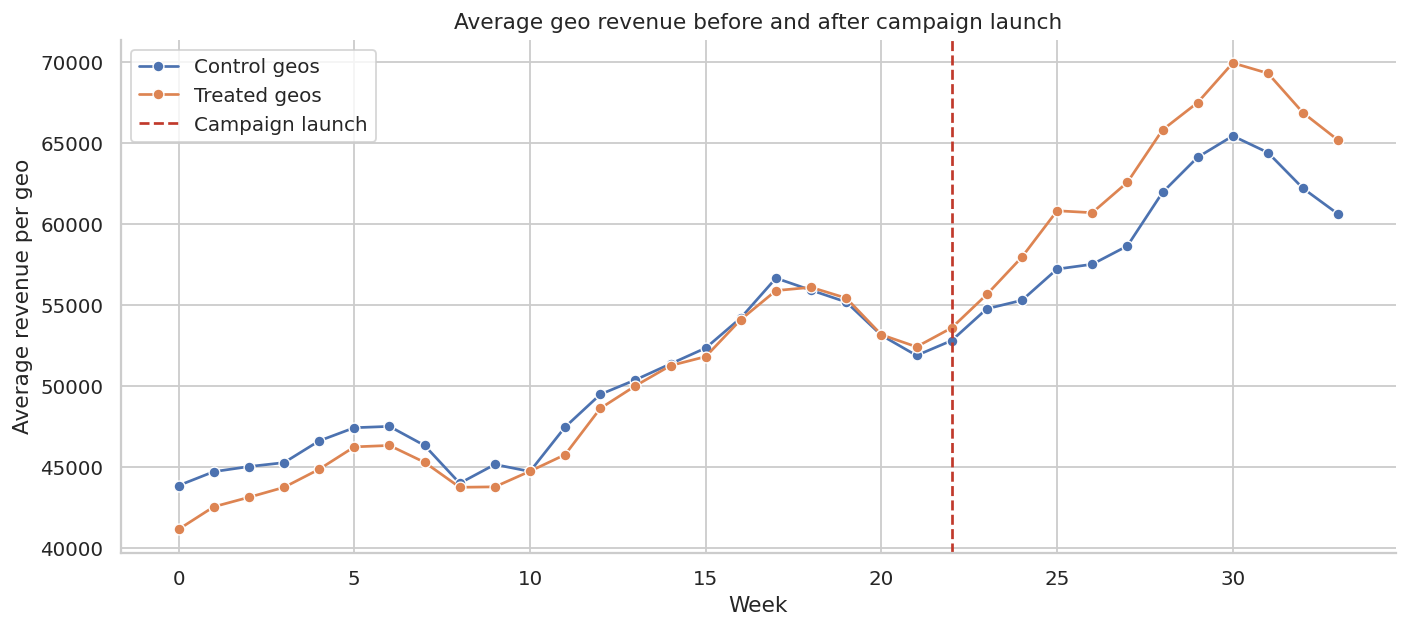
This course translates causal inference into applied decision workflows for marketing incrementality, pricing, promotions, ranking, retention, product launches, marketplaces, public-sector applications, and leadership decision summaries.
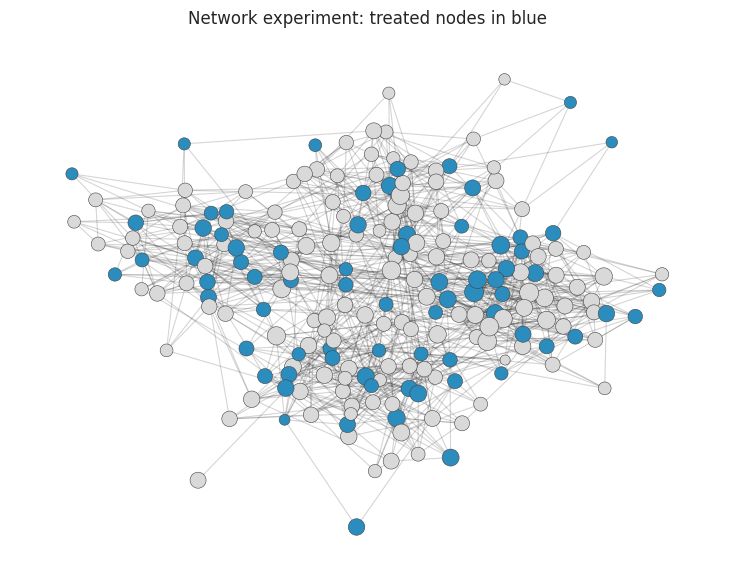
This course studies the issues that make advanced causal projects difficult: mediation, principal stratification, missing data, measurement error, transportability, interference, panel complications, causal discovery, Bayesian causal inference, and AI-system complications.