Course 1: Foundations of Causal Inference
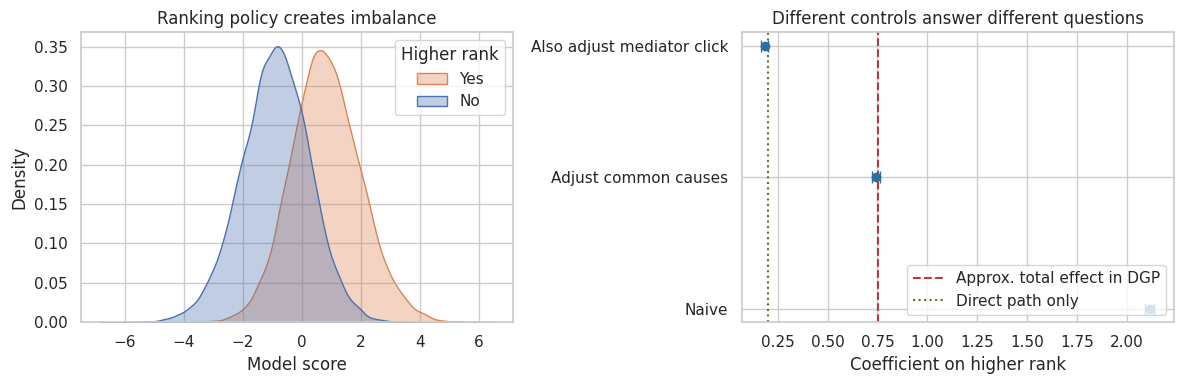
This course builds the language of causal reasoning, moving from interventions and potential outcomes to estimands, identification assumptions, DAGs, and common adjustment mistakes.
Core Causal Inference is the backbone of the lecture curriculum. It develops the conceptual grammar needed for the rest of the site, including causal questions, interventions, estimands, randomization, credible adjustment, and quasi-experimental variation.
The sequence is split into four courses. Together they move from causal language to design practice. The reader first learns how to define the question, then how to create evidence through experiments, how to repair observational comparisons, and how to use policy variation in applied settings.
This module is the conceptual center of the site. Everything later, from causal ML to AI-assisted analysis, depends on getting this design logic right.
This course builds the language of causal reasoning, moving from interventions and potential outcomes to estimands, identification assumptions, DAGs, and common adjustment mistakes.
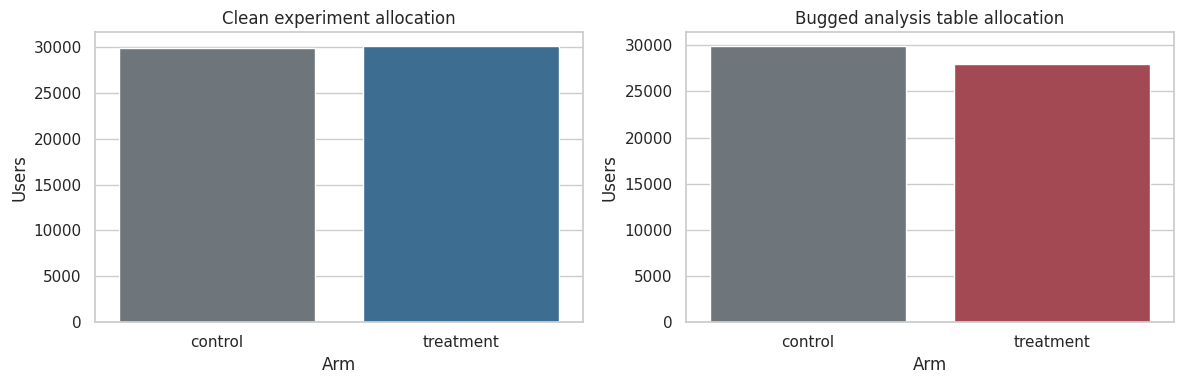
This course treats randomized evidence as an operational workflow. It covers experiment design, power, guardrail metrics, clustered assignment, noncompliance, interference, and clear reporting for launch decisions.
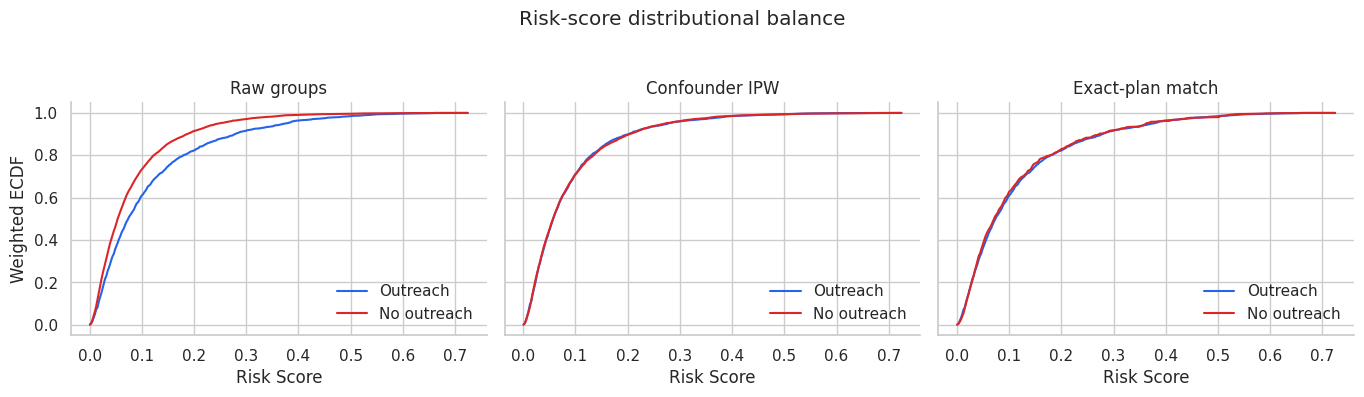
When treatment assignment comes from observed behavior, credibility depends on measured confounding, overlap, and diagnostics. This course covers regression adjustment, propensity scores, matching, weighting, balance checks, doubly robust estimation, TMLE, and sensitivity analysis.
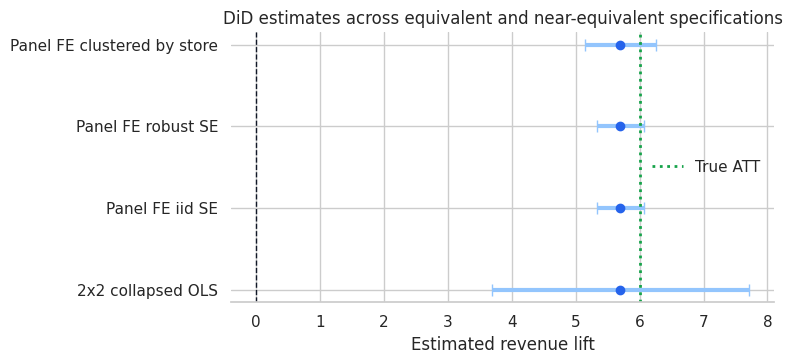
This course studies designs that exploit timing, thresholds, instruments, shocks, or policy variation. Topics include difference-in-differences, event studies, staggered adoption, synthetic control, regression discontinuity, instrumental variables, encouragement designs, and interrupted time series.