Course 1: Machine Learning Basics for Decision Science
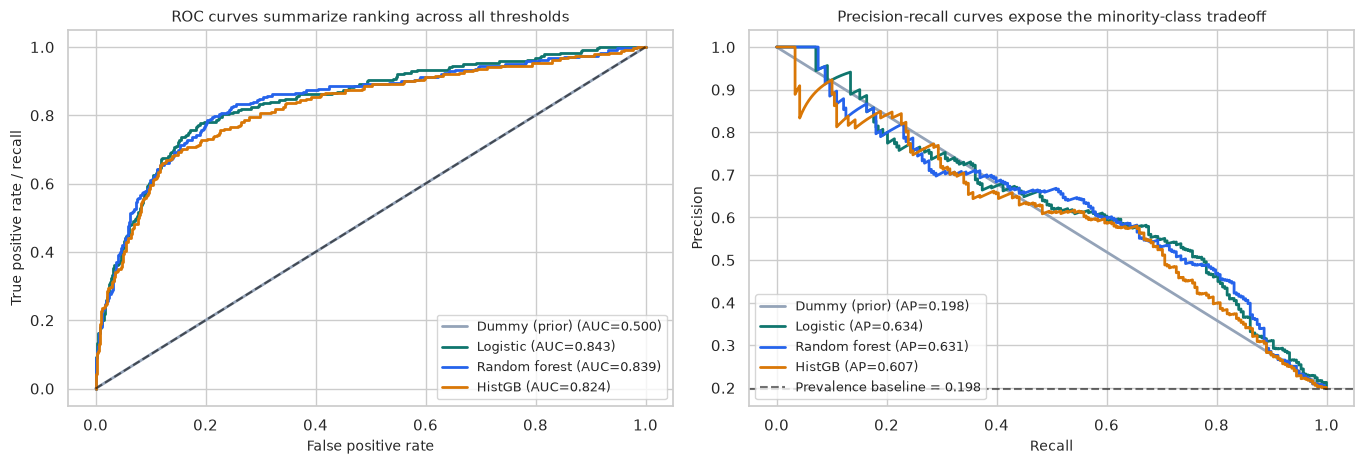
A supervised and unsupervised learning course for decision systems, covering framing, leakage, baselines, regularization, trees, metrics, calibration, clustering, monitoring, and guardrails.
AI and Machine Learning complements the statistics and causal curriculum with courses on predictive modeling, explanation, anomaly detection, and AI-assisted causal work. The common theme is decision science: models are useful when they support auditable choices, expose uncertainty, and remain connected to operational guardrails.
The module has four courses. The first covers supervised and unsupervised machine learning foundations for operational decision systems. The second develops interpretable ML and XAI as reviewable explanation workflows. The third treats anomaly detection as a triage and monitoring problem. The fourth shows how LLMs, RAG, agents, and structured evaluation can assist causal analysts while preserving identification discipline.
The through-line is practical governance. A useful model can score, cluster, explain, detect, or draft while making uncertainty and failure modes visible enough for responsible use.
A supervised and unsupervised learning course for decision systems, covering framing, leakage, baselines, regularization, trees, metrics, calibration, clustering, monitoring, and guardrails.
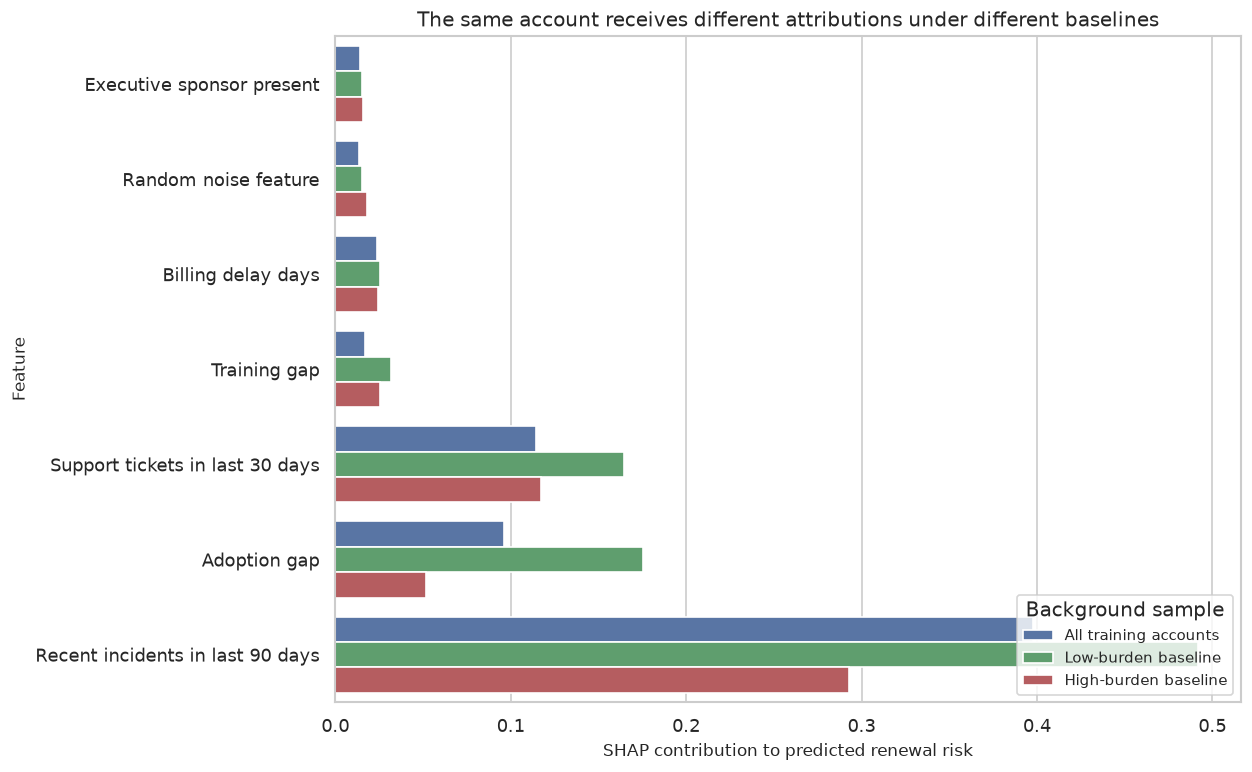
A mathematically grounded interpretability course covering transparent baselines, feature effects, SHAP, LIME, recourse, explanation stability, fairness, governance, and stakeholder communication.
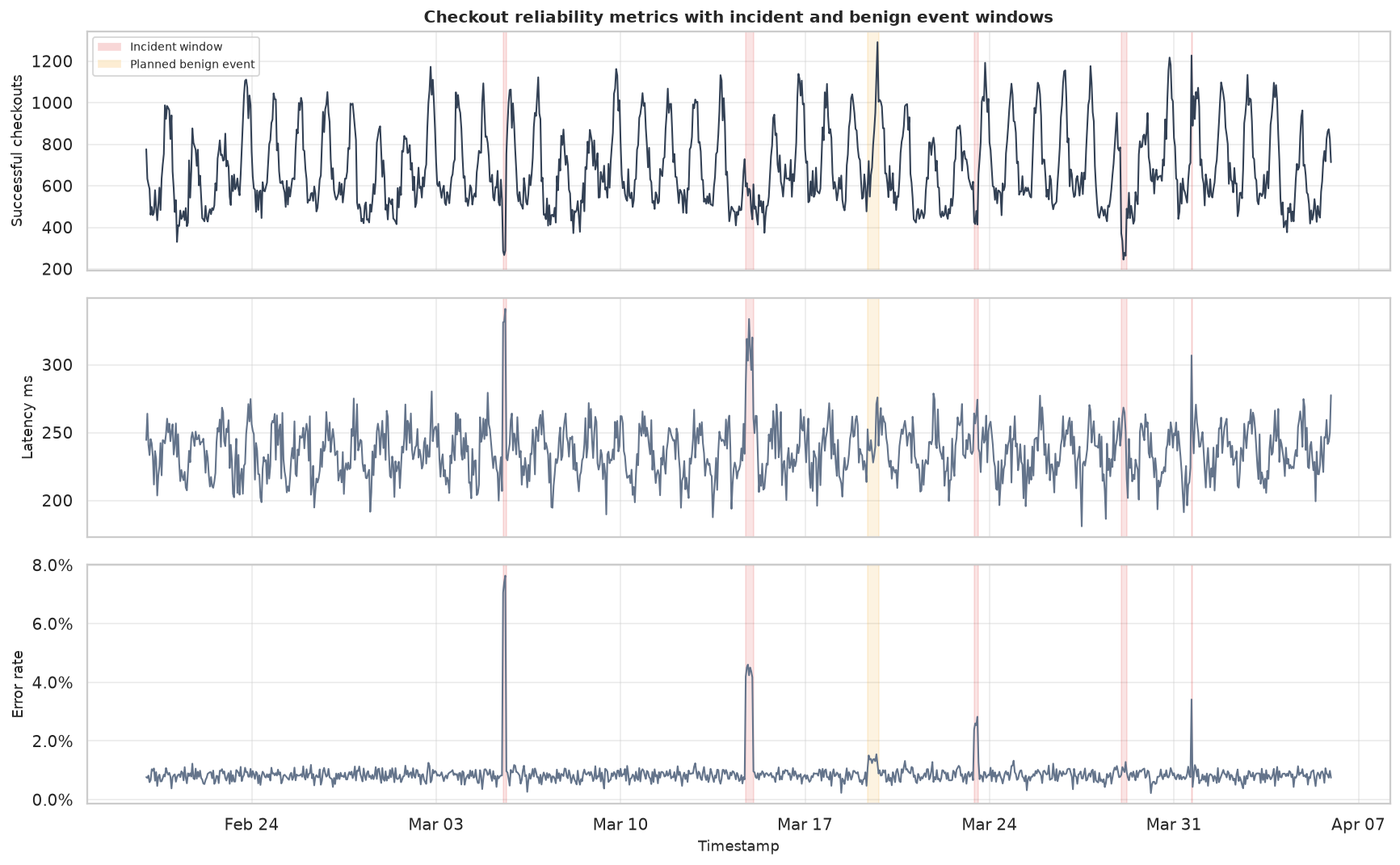
A decision-focused anomaly detection course covering statistical detectors, distance and density methods, isolation forests, reconstruction, time series, thresholds, triage, root-cause analysis, and governance.
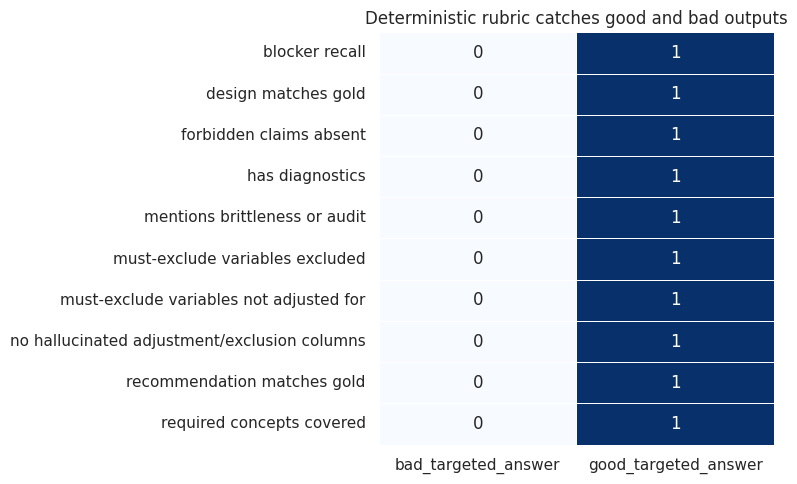
A course on using local LLMs, RAG, structured outputs, agents, diagnostics, code generation, sensitivity workflows, and evaluation to support causal analysts while preserving identification judgment.